The Best Timber For Raised Beds: A Guide To Choosing The Right Wood
Introduction
Raised garden beds are a great way to improve your gardening productivity and enjoyment. They can be made from a variety of materials, but wood is a popular choice because it is durable, attractive, and relatively easy to work with.
However, not all woods are created equal. Some woods are more rot-resistant than others, and some are more attractive. In this blog post, we will discuss the best timber for raised beds, and help you choose the right wood for your needs.
What to Consider When Choosing Wood for Raised Beds
There are a few factors to consider when choosing wood for raised beds:
- Durability: The wood you choose should be durable enough to withstand the elements and the weight of the soil and plants.
- Rot resistance: The wood should be naturally rot-resistant or treated with a preservative to prevent it from rotting.
- Aesthetics: The wood you choose should be attractive and complement the surrounding landscape.
- Cost: The cost of wood can vary depending on the type of wood and the size of the bed.
The Best Timber for Raised Beds
There are a number of woods that are well-suited for raised beds. Some of the best options include:
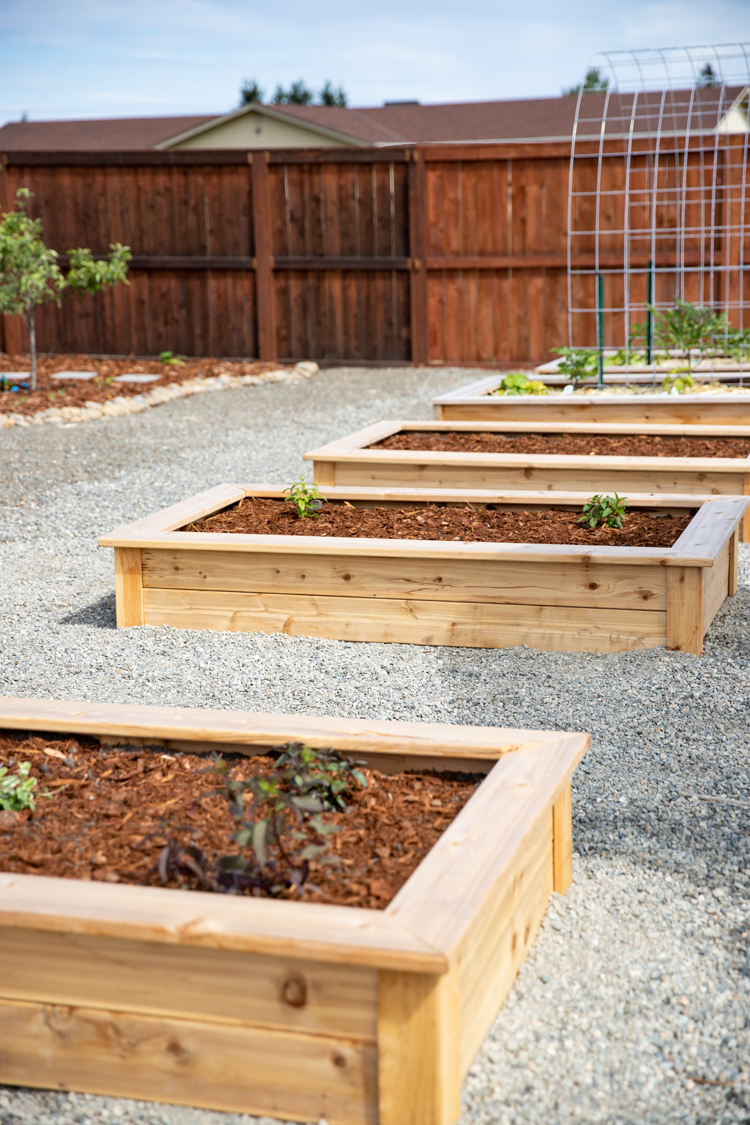
- Cedar: Cedar is a naturally rot-resistant wood that is also attractive and relatively easy to work with. It is a good choice for raised beds in both wet and dry climates.
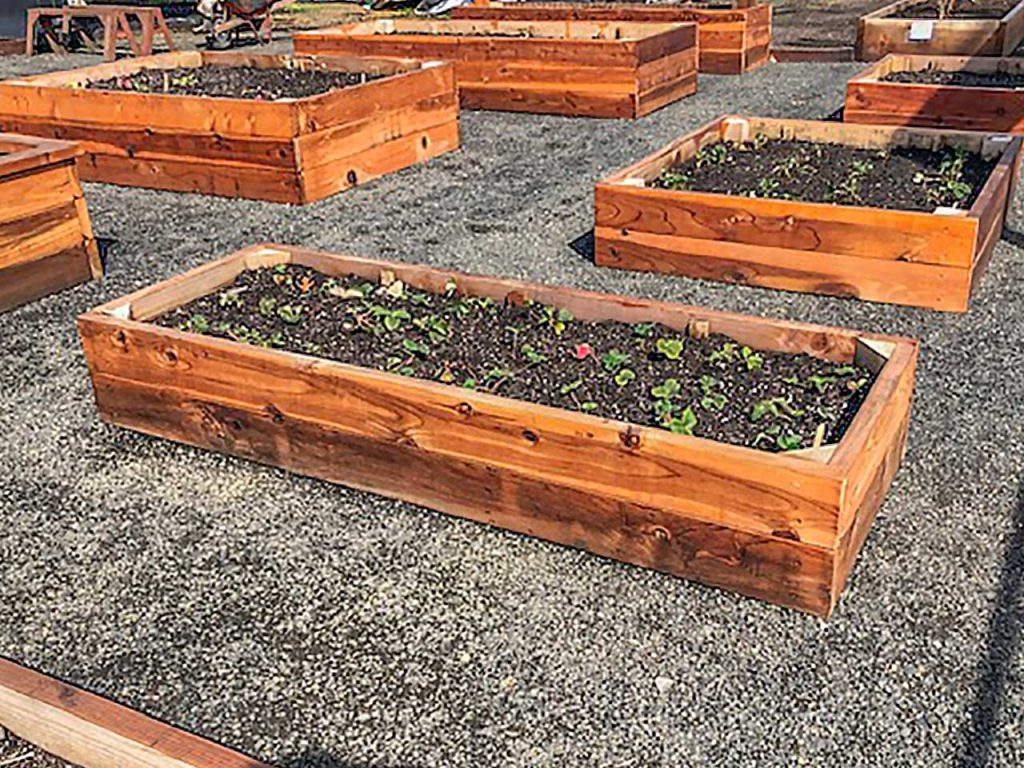
- Redwood: Redwood is another naturally rot-resistant wood that is also very durable. It is a good choice for raised beds in coastal areas where the climate is more humid.
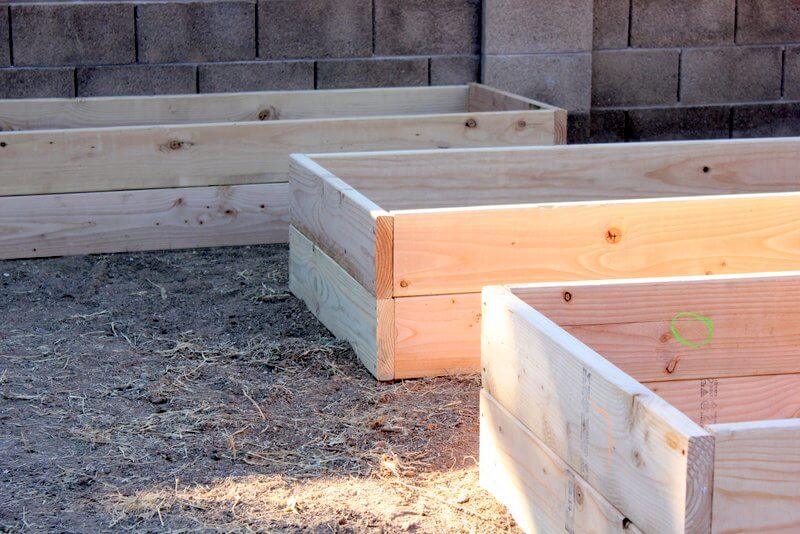
- Douglas fir: Douglas fir is a strong and durable wood that is also relatively affordable. It is a good choice for raised beds in areas with cold winters.
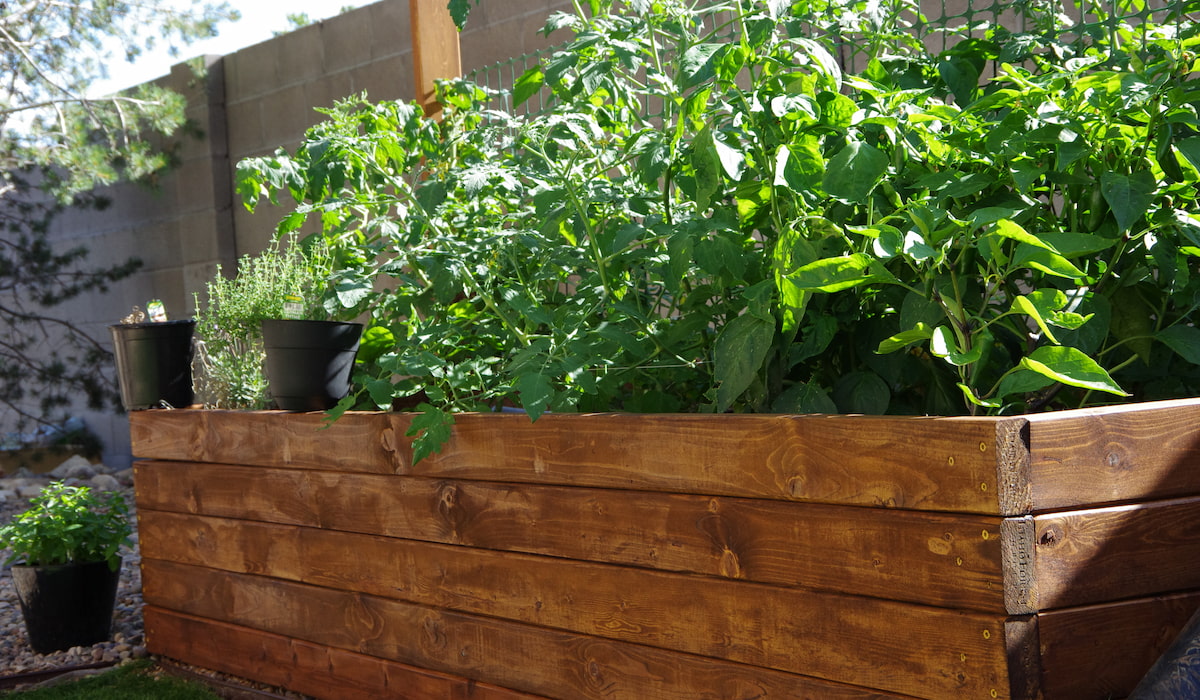
- Black locust: Black locust is a very durable wood that is also resistant to insect damage. It is a good choice for raised beds in areas with pests.
- Pine: Pine is a softwood that is not as durable as some of the other woods on this list, but it is relatively inexpensive. It is a good choice for raised beds that will not be exposed to the elements for long periods of time.

Other Considerations
In addition to the factors listed above, there are a few other things to consider when choosing wood for raised beds:
- Size of the bed: The size of the bed will affect the amount of wood you need.
- Shape of the bed: The shape of the bed will also affect the amount of wood you need.
- Tools and skills: The tools and skills you have will affect the type of wood you can use.
Conclusion
Choosing the right wood for raised beds is important. The wood you choose should be durable, rot-resistant, and attractive. It is also important to consider the size of the bed, the shape of the bed, and the tools and skills you have when making your decision.
I hope this blog post has helped you choose the right wood for your raised beds. If you have any questions, please feel free to leave a comment below.
I've done some research on timber for raised beds, and I found a great website that has a lot of information on the topic. Garden Wiki
The website covers everything from the different types of timber that are suitable for raised beds to the best way to build a timber raised bed. They also have a section on how to care for your timber raised bed so that it will last for many years.
I highly recommend checking out the website if you're thinking about building a timber raised bed.
FAQ of timber for raised beds
- What kind of wood is best for raised beds?
There are many different types of wood that can be used for raised beds, but some of the most popular include cedar, redwood, and cypress. These woods are all naturally rot-resistant, so they will last for many years in the ground. Other good options include pressure-treated lumber, which is also rot-resistant, and recycled plastic lumber, which is a sustainable choice.
- How do I build a timber raised bed?
Building a timber raised bed is a relatively easy project that can be completed in a weekend. The first step is to choose the right location for your bed. It should be in an area that gets plenty of sunlight and is well-drained. Once you have chosen a location, you can start building the frame. The frame should be made from 2x4s or other sturdy lumber. The height of the bed will depend on your preference, but 18 inches is a good starting point. Once the frame is built, you can fill it with soil and start planting your favorite vegetables and herbs.
- How long will a timber raised bed last?
The lifespan of a timber raised bed will depend on the type of wood that you use and how well you take care of it. If you use a rot-resistant wood like cedar or redwood, the bed should last for many years. However, if you use a less-durable wood like pine, the bed may only last a few years. To extend the lifespan of your bed, you can treat it with a wood preservative.
- What are the benefits of using timber for raised beds?
There are many benefits to using timber for raised beds. First, timber is a natural material that is both attractive and durable. Second, timber beds can help to improve drainage, which is important for plant health. Third, timber beds can help to raise the soil temperature, which can be beneficial for some plants. Finally, timber beds are relatively easy to build and maintain.
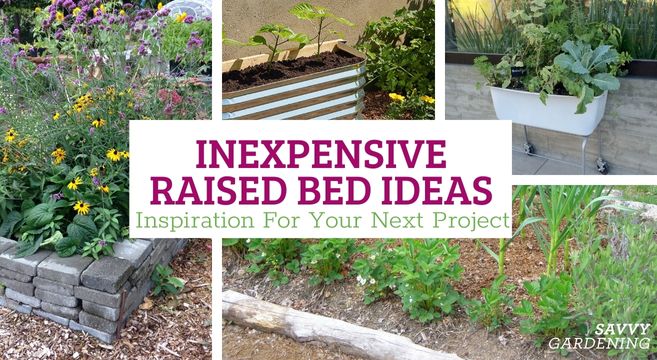
Image of timber for raised beds
- Cedar is a rot-resistant wood that is perfect for raised beds. It is also naturally insect-resistant, so you won't have to worry about pests.
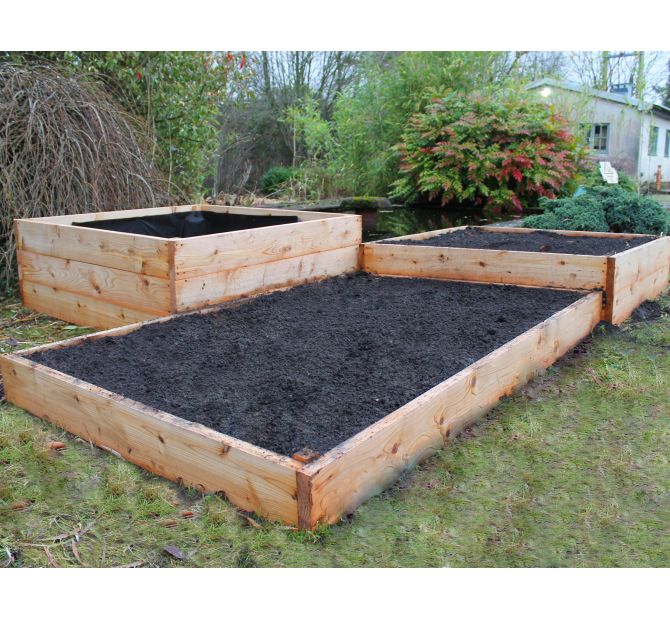
- Pressure-treated lumber is another good option for raised beds. It is treated with chemicals that make it resistant to rot and decay.

- Redwood is a beautiful and durable wood that is perfect for raised beds. It is also naturally resistant to rot and decay.
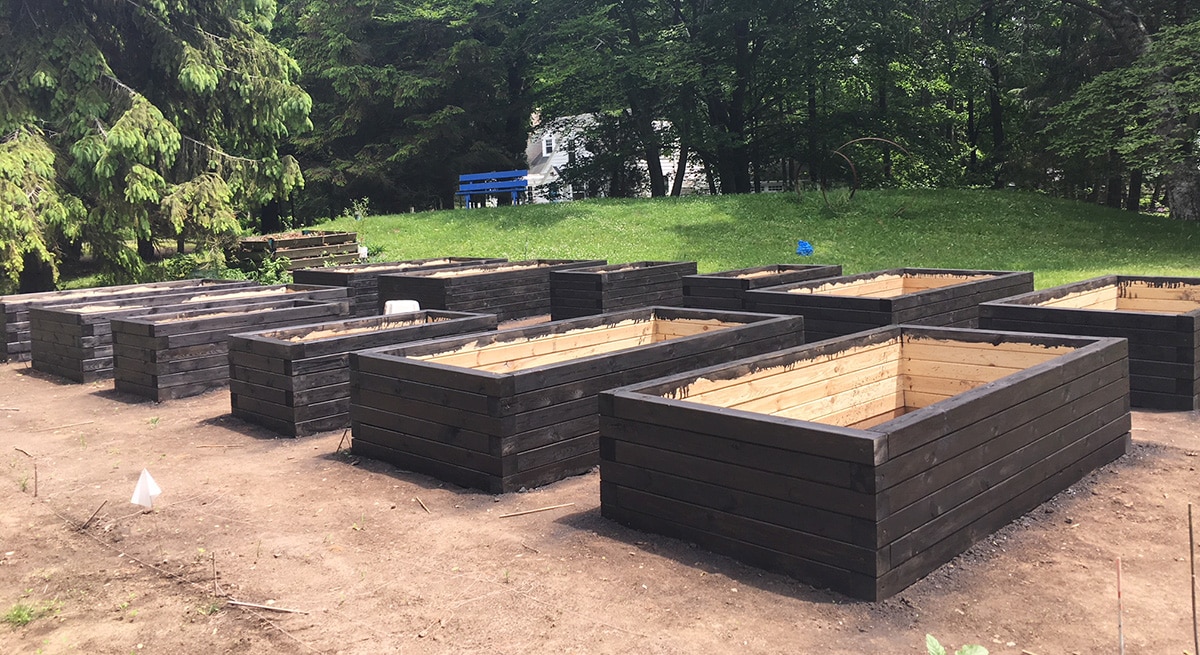
- Pine is a less expensive option for raised beds. It is not as durable as cedar or redwood, but it is still a good choice.
- Hemlock is a strong and lightweight wood that is perfect for raised beds. It is also naturally resistant to rot and decay.
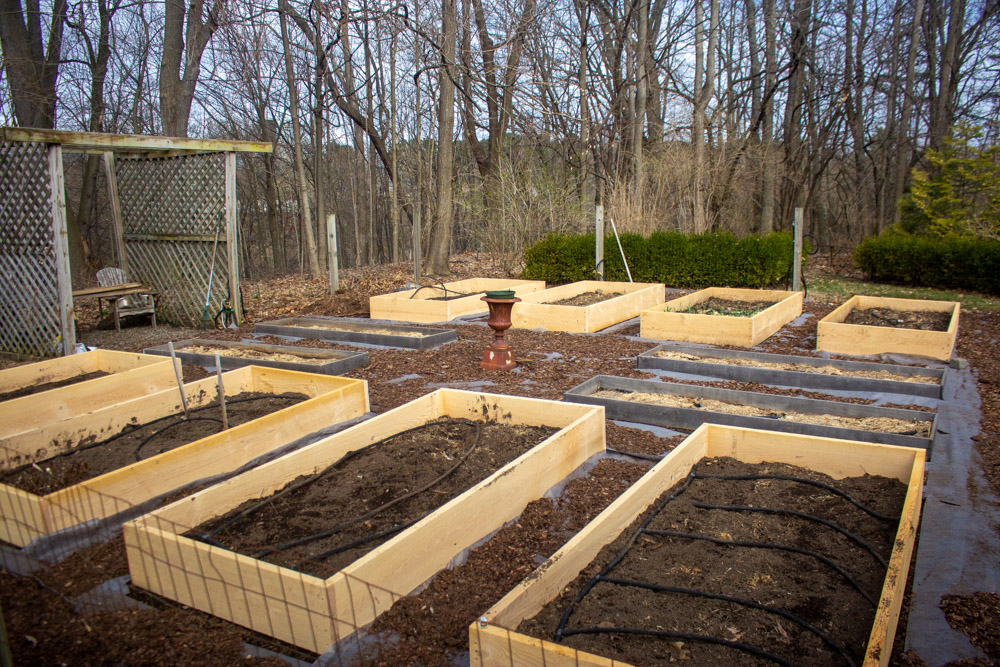
- Larch is a rot-resistant wood that is perfect for raised beds. It is also naturally insect-resistant, so you won't have to worry about pests.
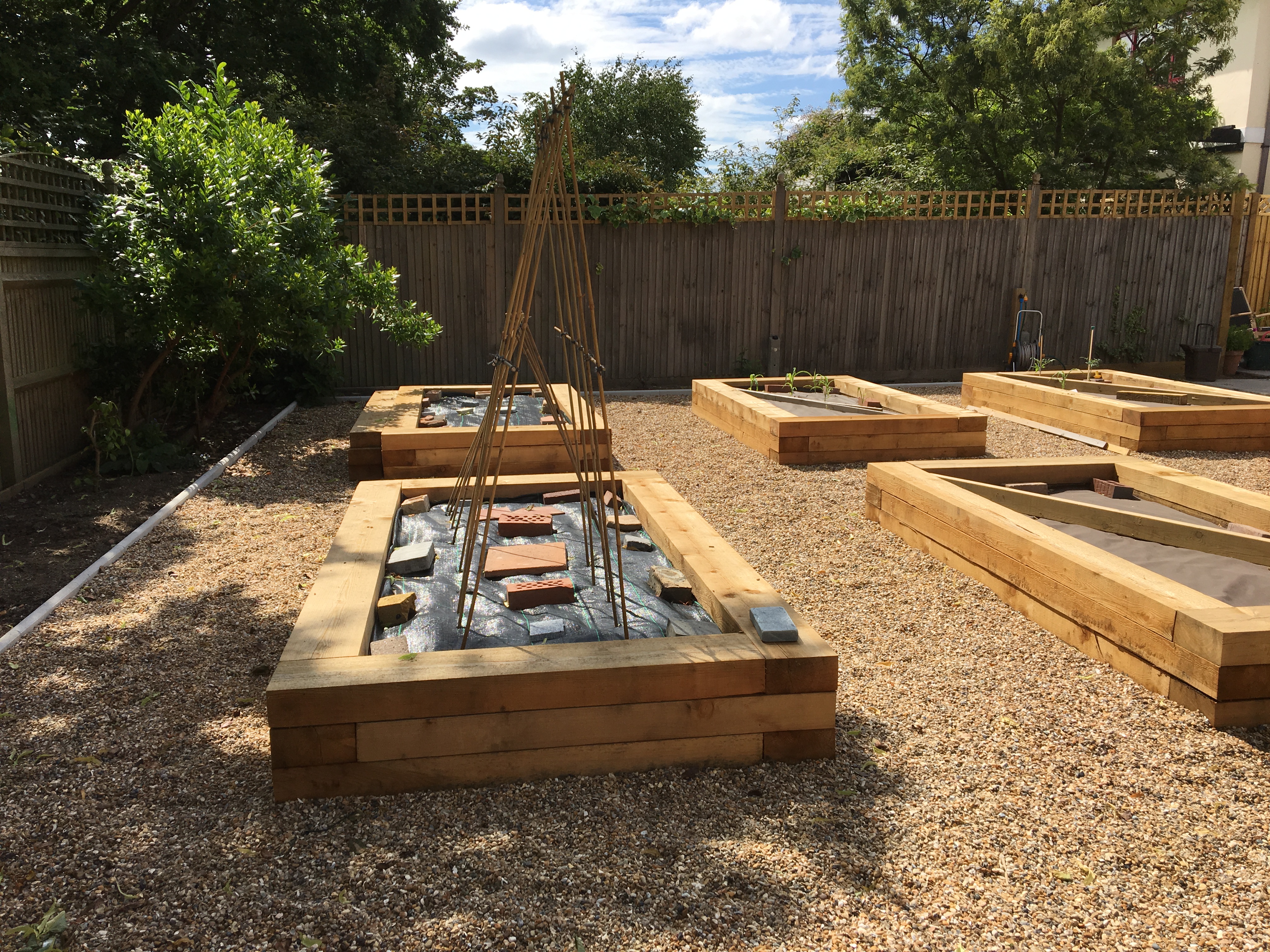
- Douglas fir is a strong and durable wood that is perfect for raised beds. It is also naturally resistant to rot and decay.

- Spruce is a lightweight and easy-to-work wood that is perfect for raised beds. It is not as durable as some other woods, but it is still a good choice.

- Birch is a strong and durable wood that is perfect for raised beds. It is also naturally resistant to rot and decay.
- Ash is a strong and durable wood that is perfect for raised beds. It is also naturally resistant to rot and decay.


Post a Comment for "The Best Timber For Raised Beds: A Guide To Choosing The Right Wood"