Grow Your Own Herb Garden With These
Grow Your Own Herb Garden with These
Herb gardens are a great way to add flavor to your cooking, brighten up your home, and enjoy the benefits of fresh, homegrown herbs. Whether you're a beginner or an experienced gardener, there are a few things you need to know to get started.
In this blog post, we'll cover:
- The best herbs to grow for beginners
- How to choose the right location for your herb garden
- How to prepare the soil for your herb garden
- How to plant your herb garden
- How to care for your herb garden
- How to harvest your herb garden
Let's get started!
The Best Herbs to Grow for Beginners
There are many different herbs that you can grow, but some are easier to grow than others. Here are a few of the best herbs to grow for beginners:
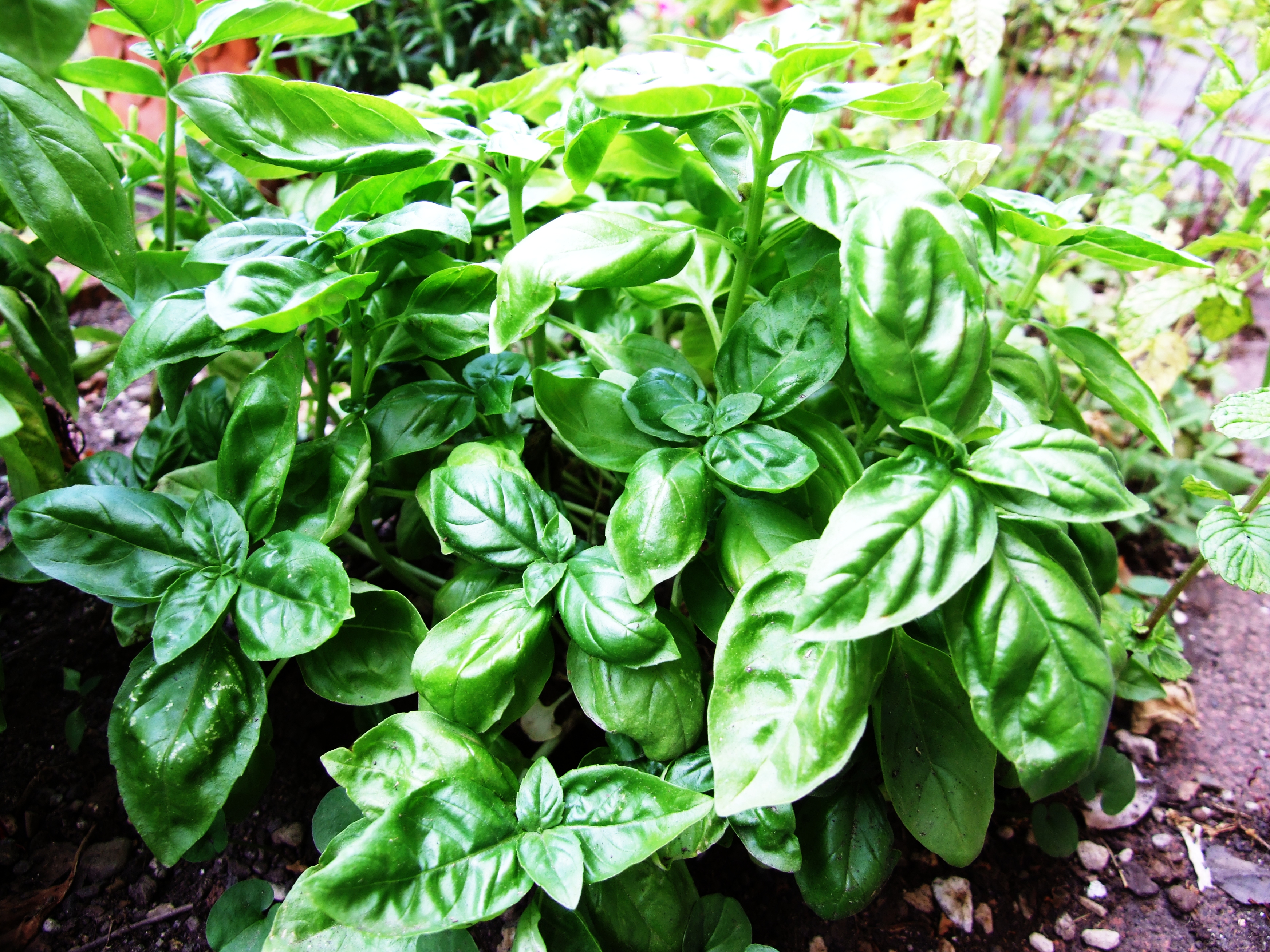
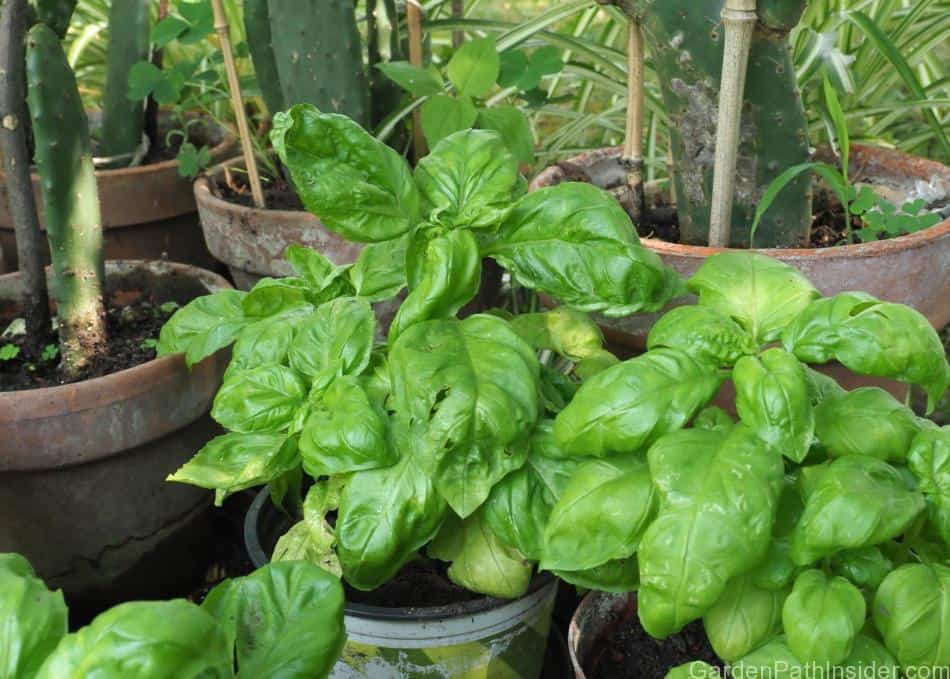
- Basil: Basil is a classic herb that is used in many different dishes. It is easy to grow and can be grown indoors or outdoors.
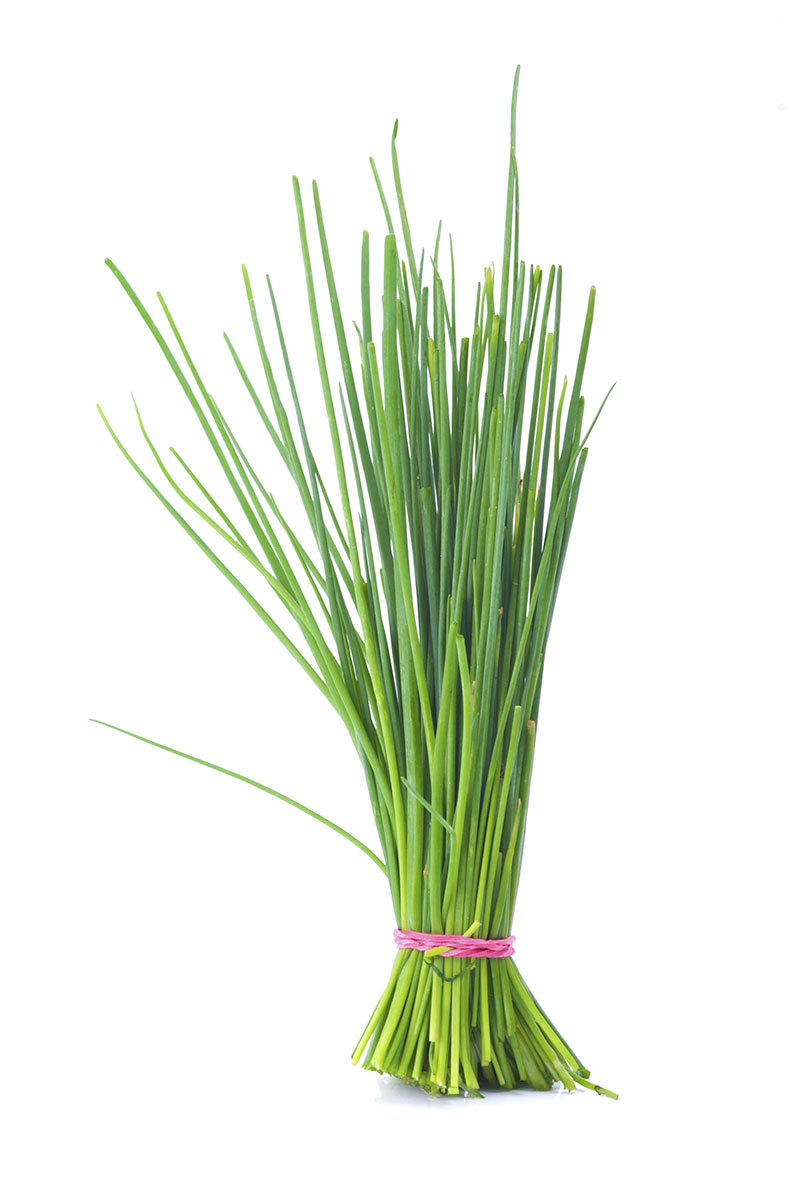
- Chives: Chives are another easy-to-grow herb that has a mild onion flavor. They are great for sprinkling on salads, eggs, or soups.
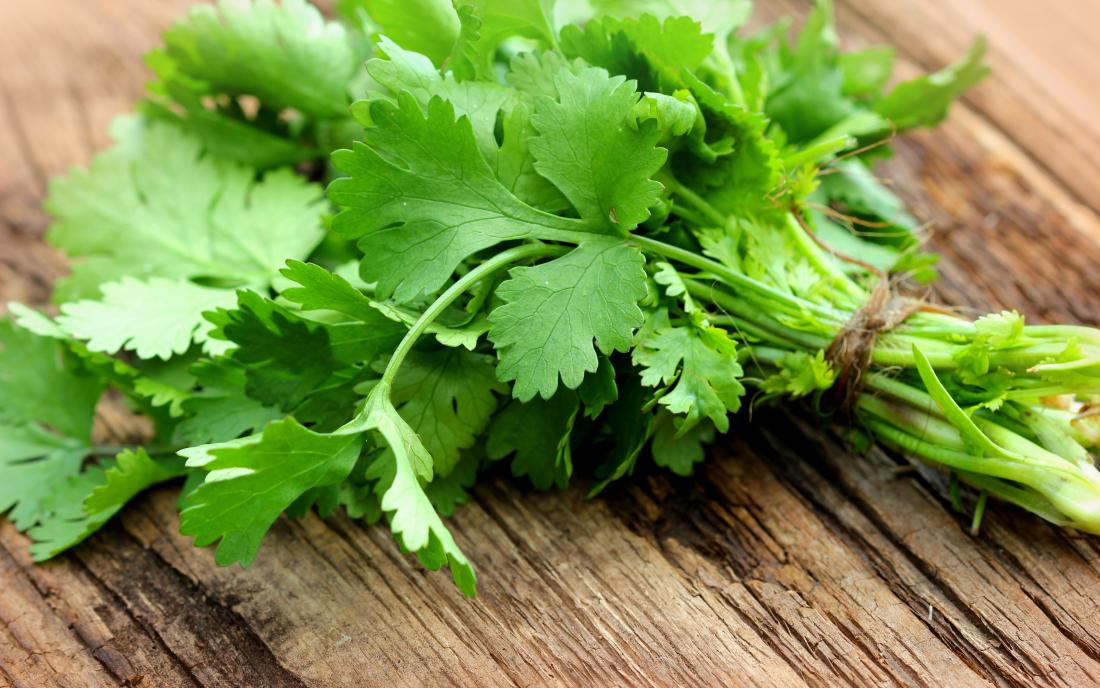
- Cilantro: Cilantro is a flavorful herb that is often used in Mexican and Asian dishes. It is easy to grow but can be difficult to keep alive indoors.
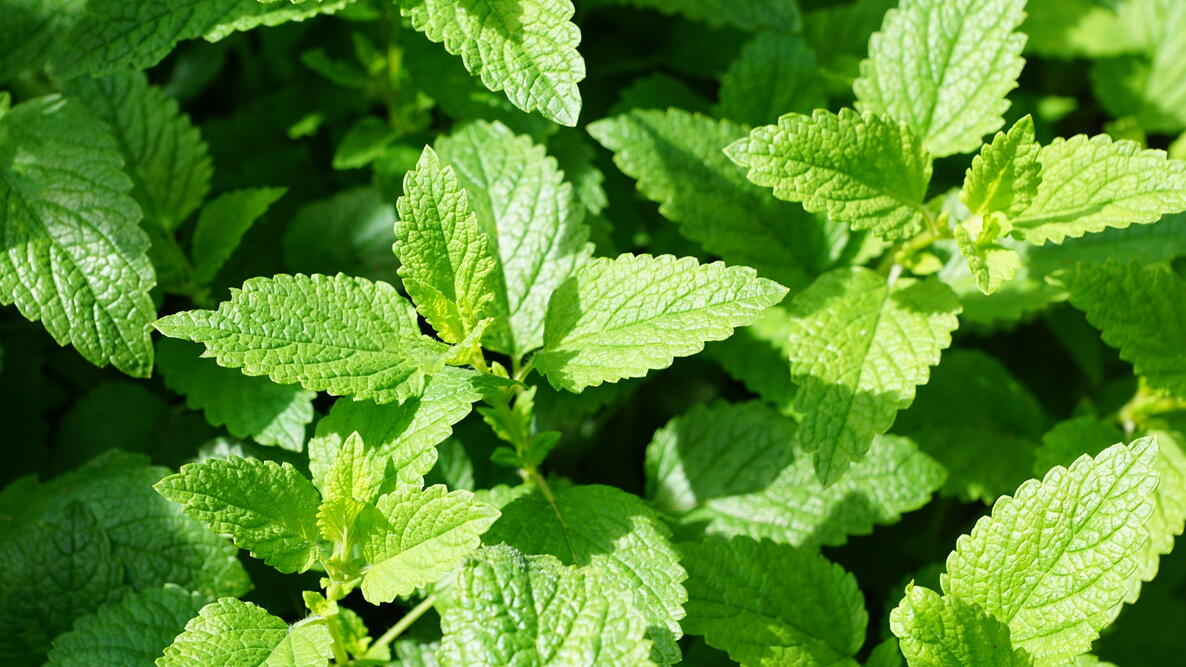
- Mint: Mint is a versatile herb that can be used in a variety of dishes. It is also a good choice for beginners because it is easy to grow and can be propagated from cuttings.
- Oregano: Oregano is a flavorful herb that is often used in Italian dishes. It is easy to grow and can be grown indoors or outdoors.
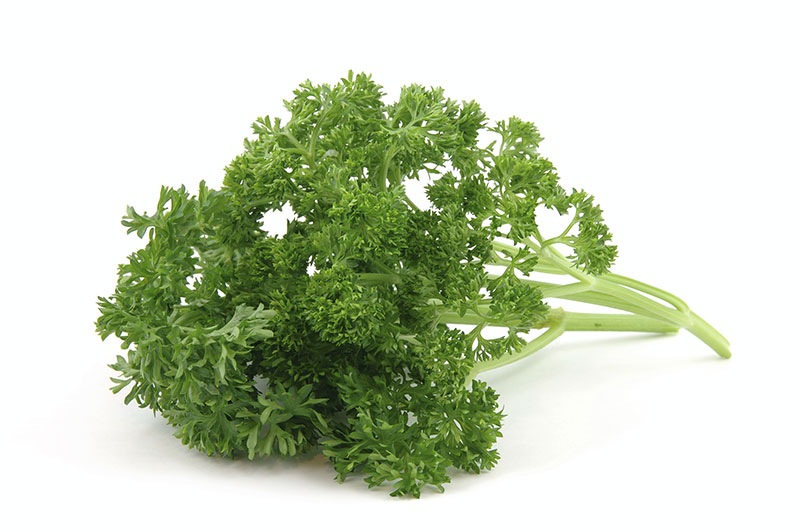
- Parsley: Parsley is a versatile herb that is used in many different dishes. It is easy to grow and can be grown indoors or outdoors.
- Rosemary: Rosemary is a hardy herb that is easy to grow. It is a good choice for beginners because it can be grown in pots or in the ground.

- Thyme: Thyme is a flavorful herb that is often used in Mediterranean dishes. It is easy to grow and can be grown indoors or outdoors.
How to Choose the Right Location for Your Herb Garden
The location of your herb garden is important for its success. Herbs need full sun, so choose a spot in your yard or garden that gets at least 6 hours of sunlight per day. The soil should also be well-drained. If you have poor soil, you can amend it with compost or other organic matter.
How to Prepare the Soil for Your Herb Garden
Once you have chosen a location for your herb garden, you need to prepare the soil. The soil should be loose and crumbly, so that the roots of the herbs can easily grow. If the soil is too hard, you can loosen it with a garden fork or a tiller. You should also add compost or other organic matter to the soil to improve drainage and fertility.
How to Plant Your Herb Garden
Once the soil is prepared, you can start planting your herbs. Herbs can be planted from seeds or seedlings. If you are planting from seeds, sow them directly in the ground or in pots. If you are planting seedlings, space them about 6 inches apart.
How to Care for Your Herb Garden
Herbs are relatively low-maintenance plants, but they do need some care. The most important thing is to water them regularly. Herbs should be watered when the top inch of soil is dry. You should also fertilize your herb garden once a month during the growing season.
How to Harvest Your Herb Garden
You can harvest your herb garden as soon as the herbs are large enough to use. Most herbs are best harvested before they flower. To harvest an herb, simply snip off the leaves or stems that you need.
Conclusion
Growing your own herb garden is a great way to enjoy fresh, homegrown herbs. It is also a fun and rewarding hobby. With a little care, you can have a thriving herb garden in no time.
FAQ of compatible herbs to plant together
Question 1: What are some compatible herbs to plant together?
Answer: There are many compatible herbs that can be planted together. Some popular combinations include:
- Basil, tarragon, and oregano: These Mediterranean herbs tend to pair well due to similar growing requirements, and planting oregano alongside basil and tarragon may help prevent pests.
- Lemon verbena, dill, and cilantro: These herbs all have a refreshing, citrusy flavor that complements each other well.
- Lavender, rosemary, and thyme: These herbs all have a strong, aromatic scent that can help deter pests.
- Parsley, sage, and chives: These herbs are all members of the allium family and have a similar flavor profile.
Question 2: What are some herbs that should not be planted together?
Answer: There are a few herbs that should not be planted together, as they can compete for nutrients or attract pests. These include:
- Basil and fennel: Basil's strong scent can inhibit fennel's growth.
- Basil and rosemary: Rosemary's strong roots can crowd out basil's roots.
- Dill and carrots: Dill can attract the carrot fly, which can damage carrots.
- Mint and other herbs: Mint is a very aggressive grower and can quickly take over a garden. It is best to plant mint in its own container or pot.
Question 3: Can I mix herbs in a garden?
Answer: Yes, you can mix herbs in a garden. However, it is important to consider the compatibility of the different herbs when choosing which ones to plant together. You should also avoid planting herbs that have different water or nutrient requirements in the same area.
Question 4: How do I know if two herbs are compatible?
Answer: There are a few factors to consider when determining whether two herbs are compatible. These include:
- Growing conditions: Herbs that have similar growing conditions, such as sun exposure, water requirements, and soil type, are more likely to be compatible.
- Nutrient requirements: Herbs that have similar nutrient requirements are less likely to compete for nutrients.
- Pests and diseases: Herbs that attract the same pests or diseases should not be planted together.
- Flavor: Some herbs have strong flavors that can overpower other herbs. It is important to consider the flavor of the herbs when choosing which ones to plant together.
Question 5: What are some tips for companion planting herbs?
Answer: Here are a few tips for companion planting herbs:
- Plant herbs with similar growing conditions together. This will help ensure that all of your herbs thrive.
- Avoid planting herbs that attract the same pests or diseases together. This will help prevent the spread of pests and diseases.
- Consider the flavor of the herbs when choosing which ones to plant together. Some herbs have strong flavors that can overpower other herbs.
- Experiment with different combinations of herbs. There is no right or wrong answer when it comes to companion planting herbs. The best way to find out which combinations work best for you is to experiment.
Image of compatible herbs to plant together
5 different images of compatible herbs to plant together, sourced from Pinterest:
- Basil, Tarragon, and Oregano: These Mediterranean herbs tend to pair well due to similar growing requirements, and planting oregano alongside basil and tarragon may help prevent pests.
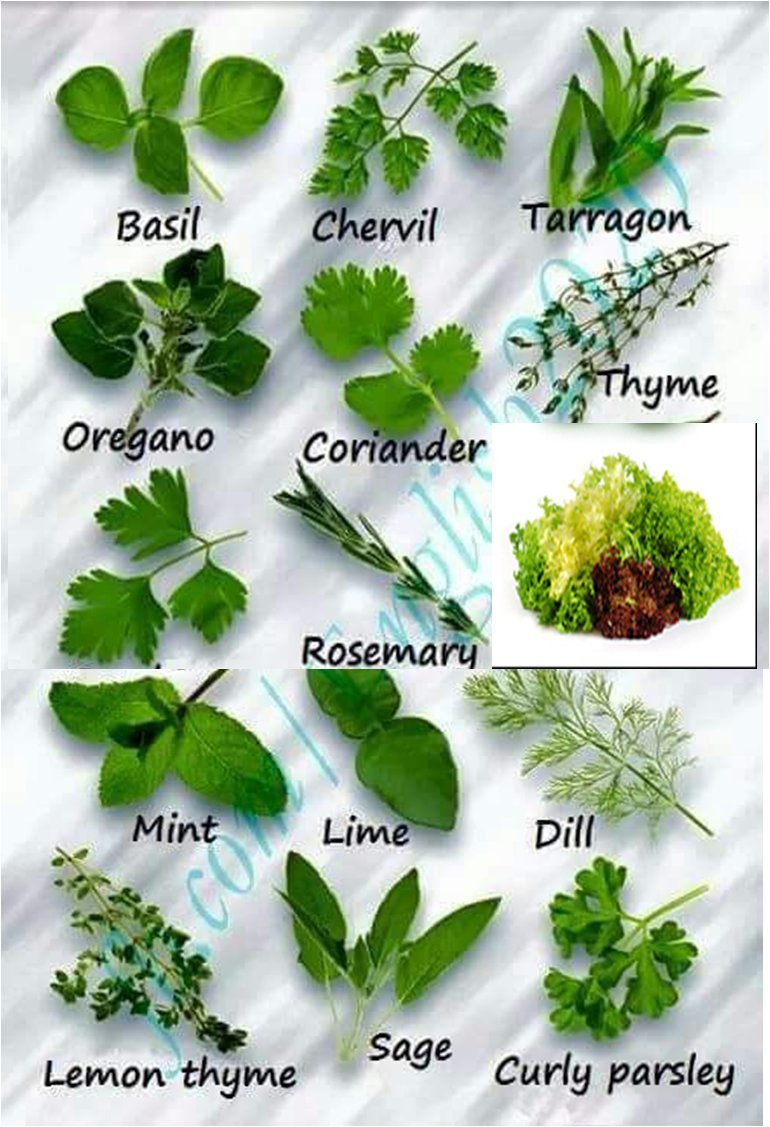
- Lemon Verbena, Dill, and Cilantro: Lemon verbena, dill, and cilantro attract beneficial bugs that prey on pests. They also have similar water and sun requirements, making them a good combination for a container garden.

- Lavender, Rosemary, and Thyme: These herbs all have similar requirements for full sun and well-drained soil. They also have a calming fragrance that can help to deter pests.

- Parsley, Sage, and Chives: These herbs are all easy to grow and have different flavors that can be used to enhance a variety of dishes. They also have similar water and sun requirements, making them a good combination for a herb garden.

- Mint, Basil, and Tomatoes: Mint is a great companion plant for tomatoes because it helps to repel aphids and other pests. Basil and tomatoes also have similar water and sun requirements, making them a good combination for a container garden.

Post a Comment for "Grow Your Own Herb Garden With These"